
You're editing. Something's not right.
The exposure's fine.
The composition's fine.
But the file is flatter than Route 66 roadkill and you can't for the life of you put your finger on why.
You need a— you know. A...
A Thingamabob.
What Is It, Then?
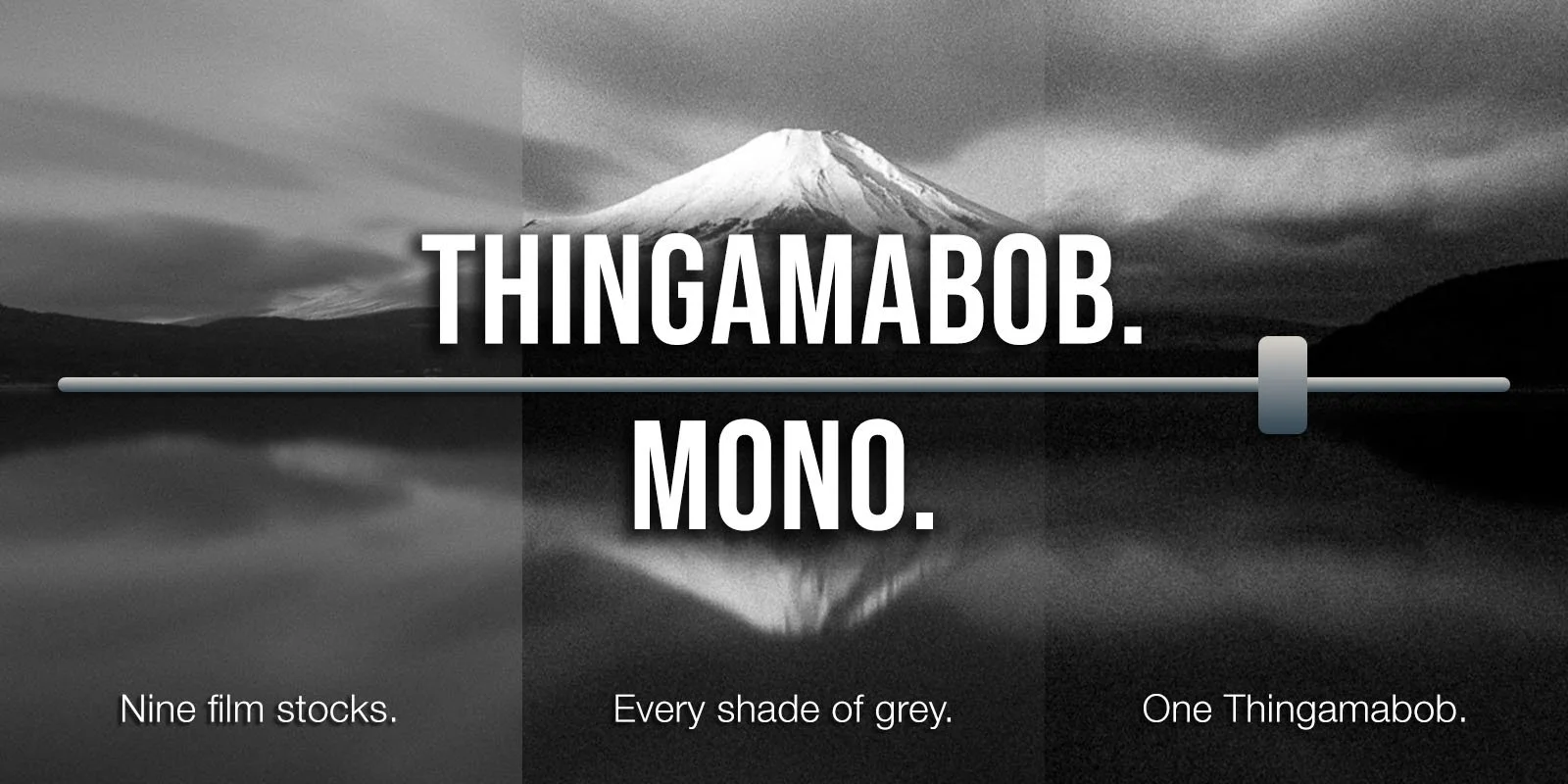
Thingamabob Mono is a Lightroom plugin. It emulates black and white film — nine stocks, each with its own grain structure, tonal curve and character.
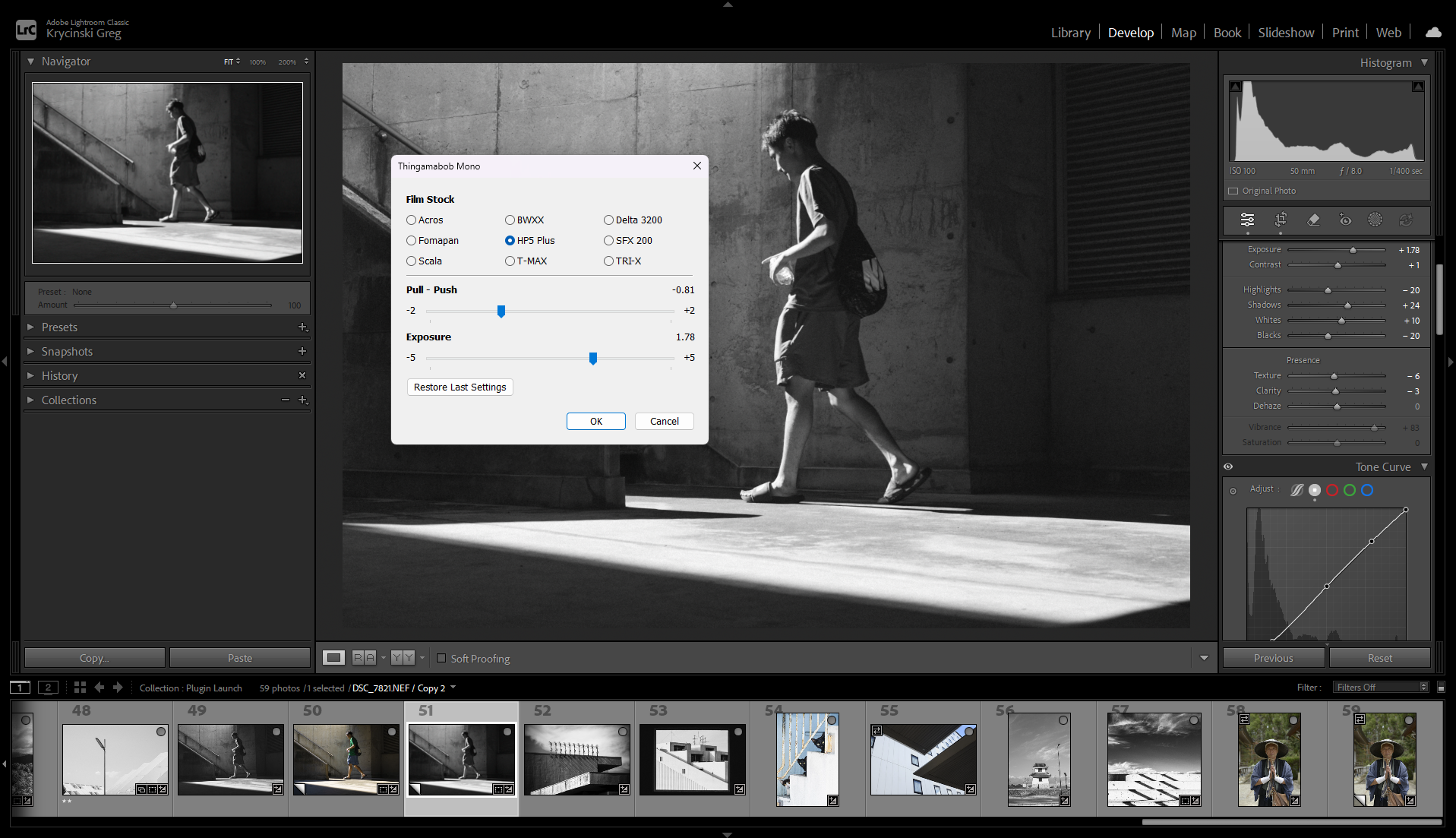
You get one slider. Move it left, you're pulling the development. Move it right, you're pushing it. Everything — contrast, grain, shadow response — evolves together. Like real film would.
It started as a free preset pack on the blog. Still there, if you want it. This is what happened when that wasn't enough.
One purchase. No subscription. No nonsense.
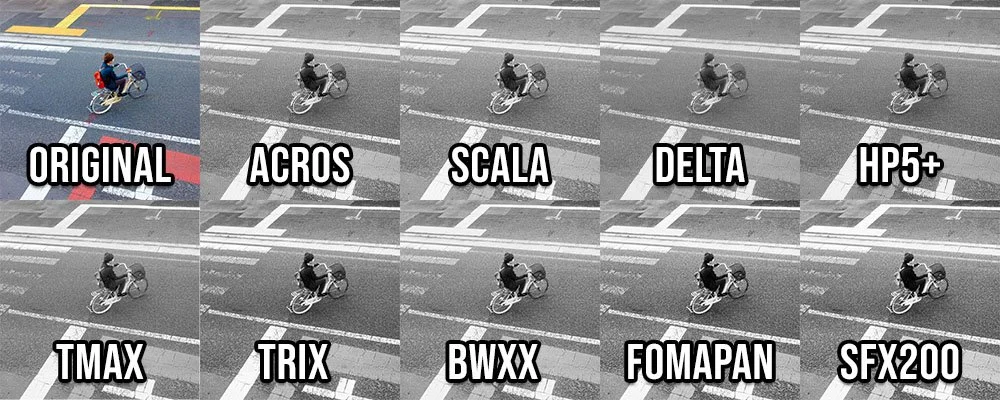
The Nine
Fujifilm Neopan Acros 100 The clean one. Precise, controlled, almost surgical. Don't worry, the others will sort that out.
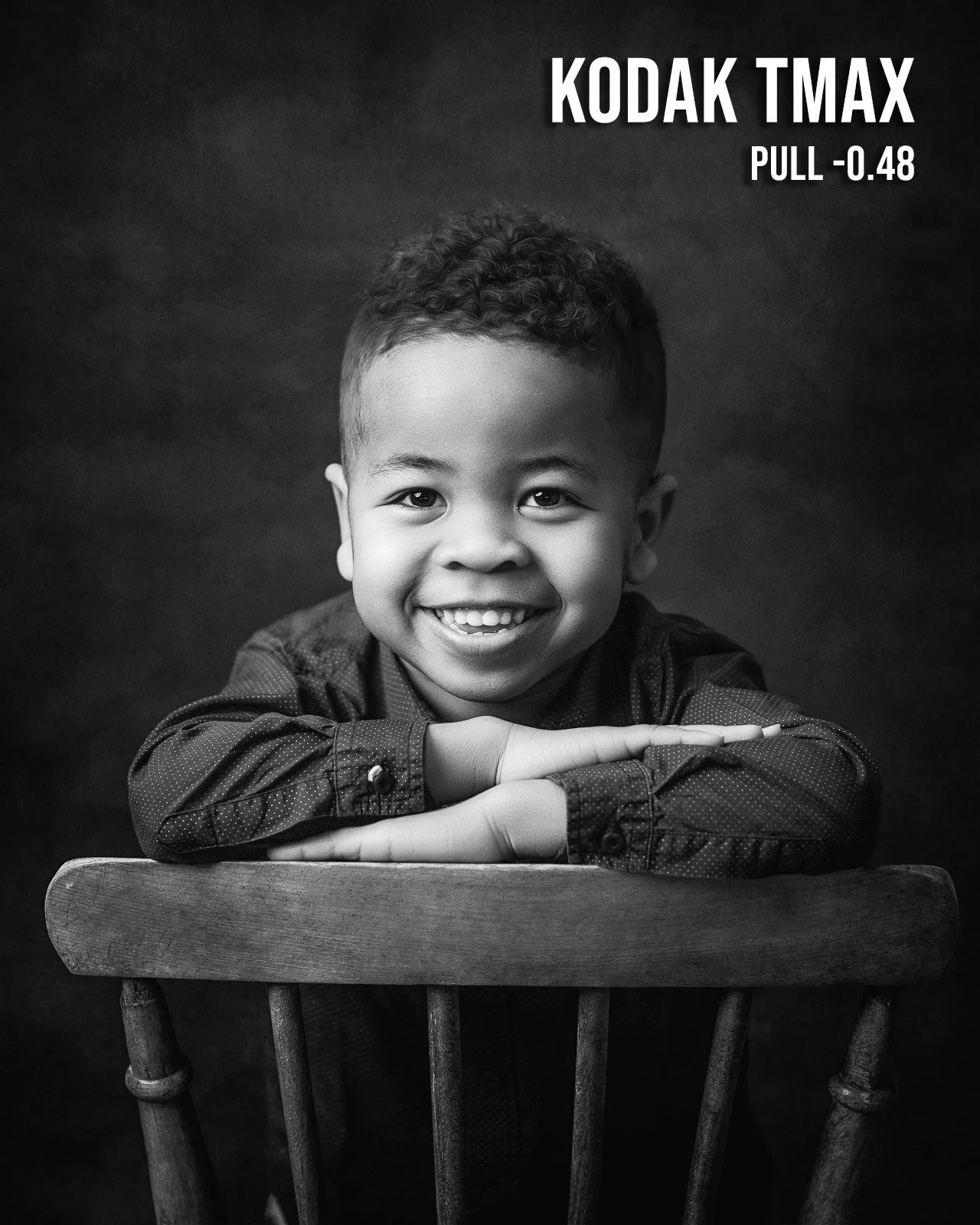
Kodak T-Max 400 Modern tonal accuracy with just enough grain to remind you this isn't a smartphone.
Ilford HP5 Plus 400 Recession Contrast. The workhorse. Looks like it has somewhere to be and no time for your highlights.
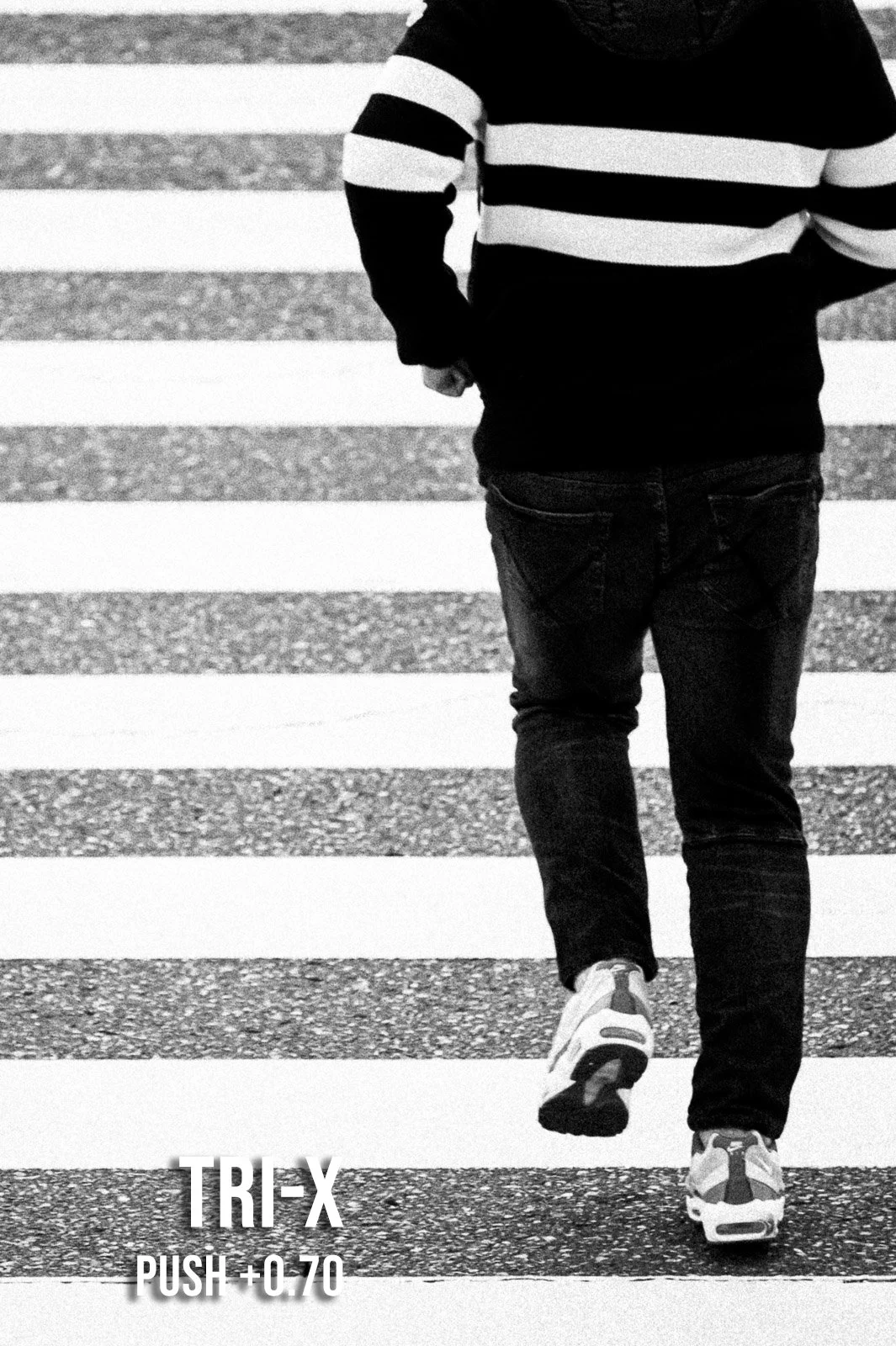
Kodak Tri-X 400 Collapsed Facade. High contrast, punchy grain, zero interest in your lens correction profile.
🆕 Kodak Double-X 5222 Cinematic. Brooding. Looks like a film still from a movie nobody finished making.
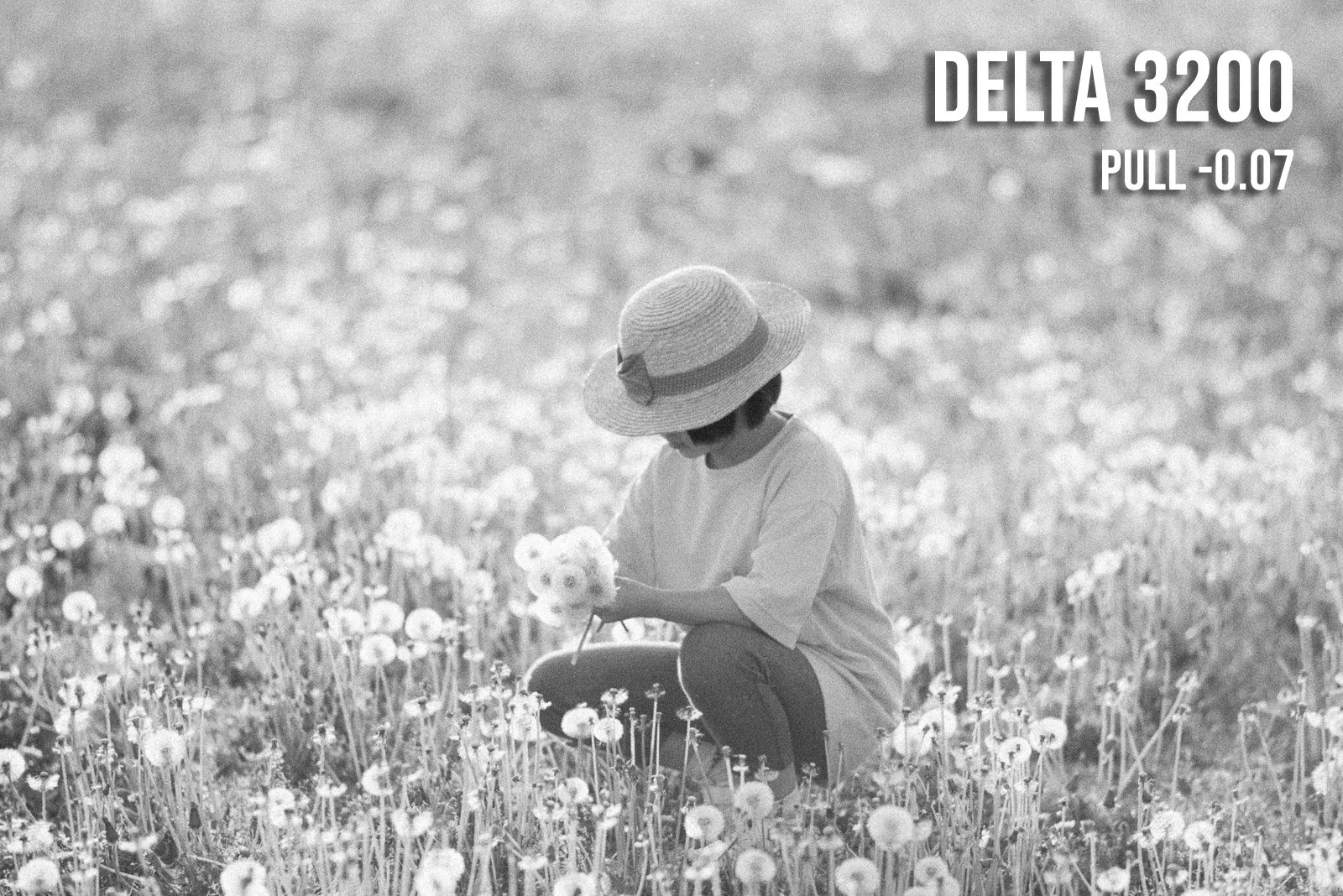
Ilford Delta 3200 Crime Scene Grain. Large, chaotic, unapologetic. For when subtlety was never the point.
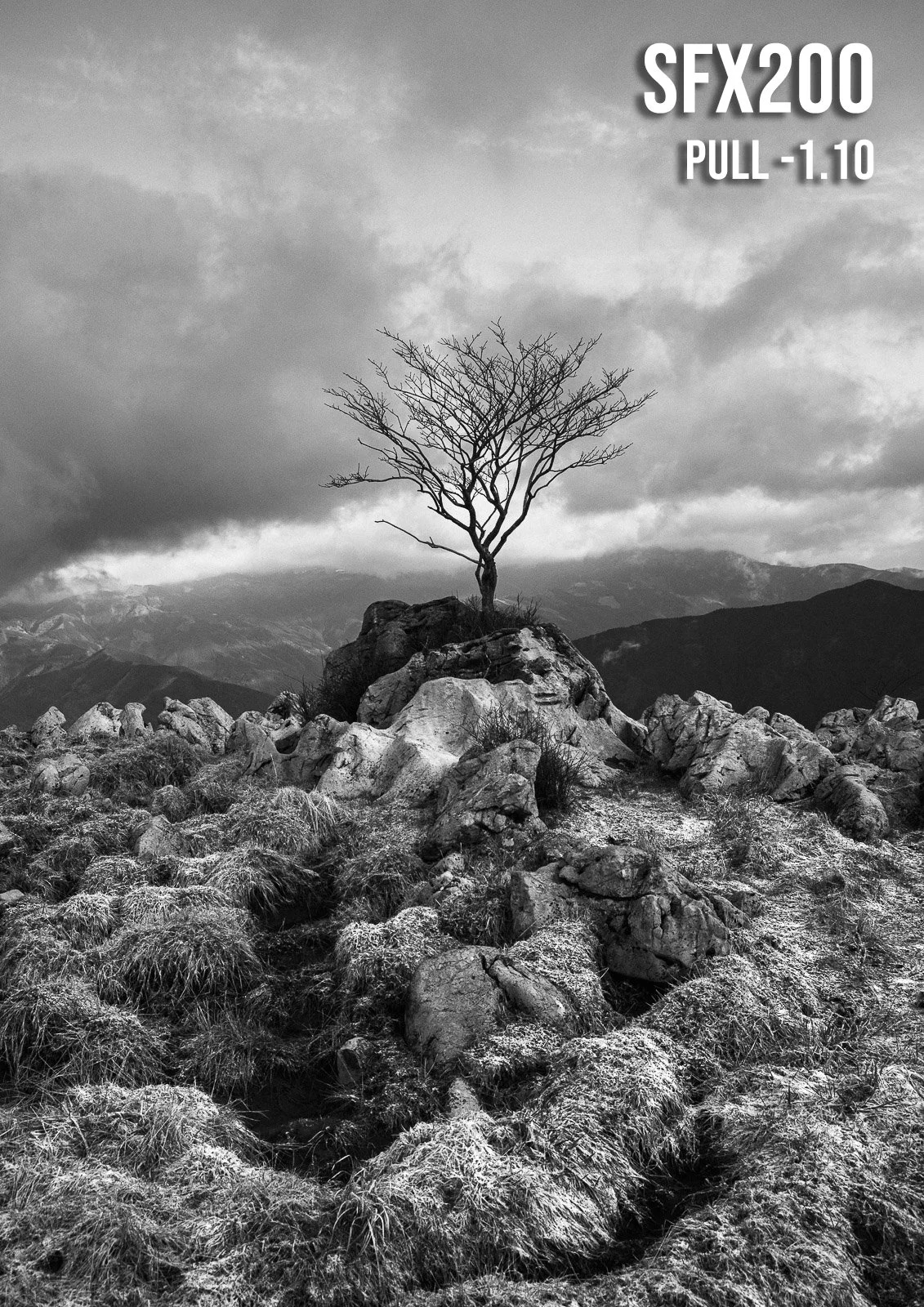
🆕 Ilford SFX 200 Infrared. Skies go dark, foliage goes white, reality files for divorce.
🆕 Fomapan 400 Gritty Eastern European analogue energy. Looks like it was developed in a car park. Intentionally.
Agfa Scala 200 Funeral Chic. Graphic, high contrast, completely unbothered by your feelings about it.
How It Works
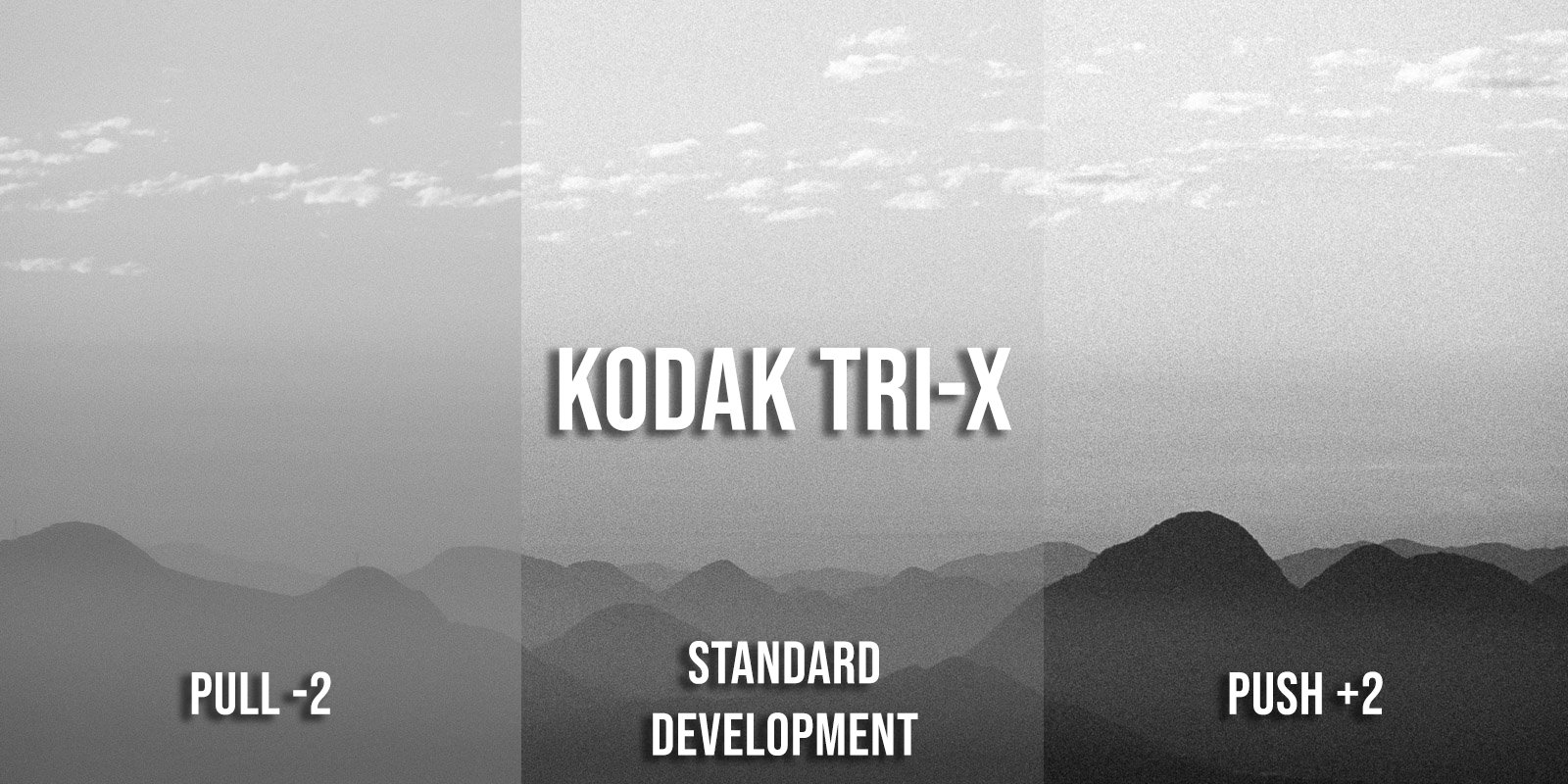
Real film doesn't have one look. Photographers have always known this — push the development and you get more contrast, more grain, more drama. Pull it back and the shadows open up, the highlights breathe. Same film. Different character.
Thingamabob recreates that. One slider, from -2 to +2. Pull left for softer development. Push right for stronger contrast and grain. Zero in the middle is the film's natural character — what it looks like straight out of the developer.
DEVELOPMENT
Single slider controls grain, contrast, tone curve, black & white mix etc.
All unique to each film stock.
The important bit: everything moves together.
As you push or pull, the tonal curve, the grain structure and the micro-contrast all evolve in the same direction simultaneously. Not two presets blended together. One continuous thing, behaving like film would.
Which brings us to grain. Digital noise is random and ugly. Film grain is structural — it's part of the image, not an accident. Each stock in Thingamabob has its own grain profile. Acros is almost invisible. Delta 3200 looks like a crime scene. And as you push the development harder, the grain gets coarser and more chaotic — exactly as it would in a real darkroom.
The result is an image that feels photographic. Which, considering you shot it on a digital camera, is the whole point.
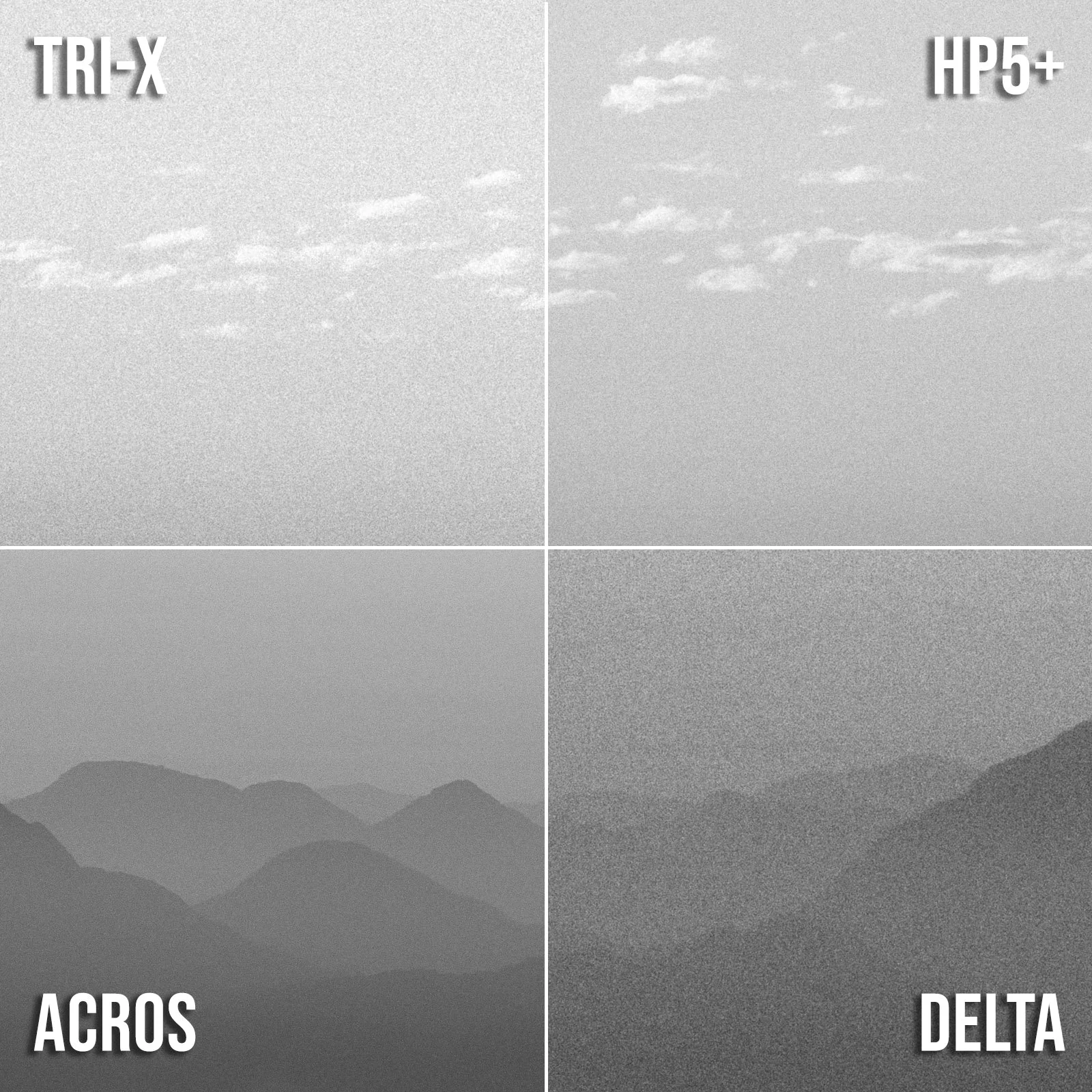
GRAIN PROFILES
Each film stock comes with its own signature grain profile, from clean as a whistle Acros to a crime scene Delta 3200.
See For Yourself
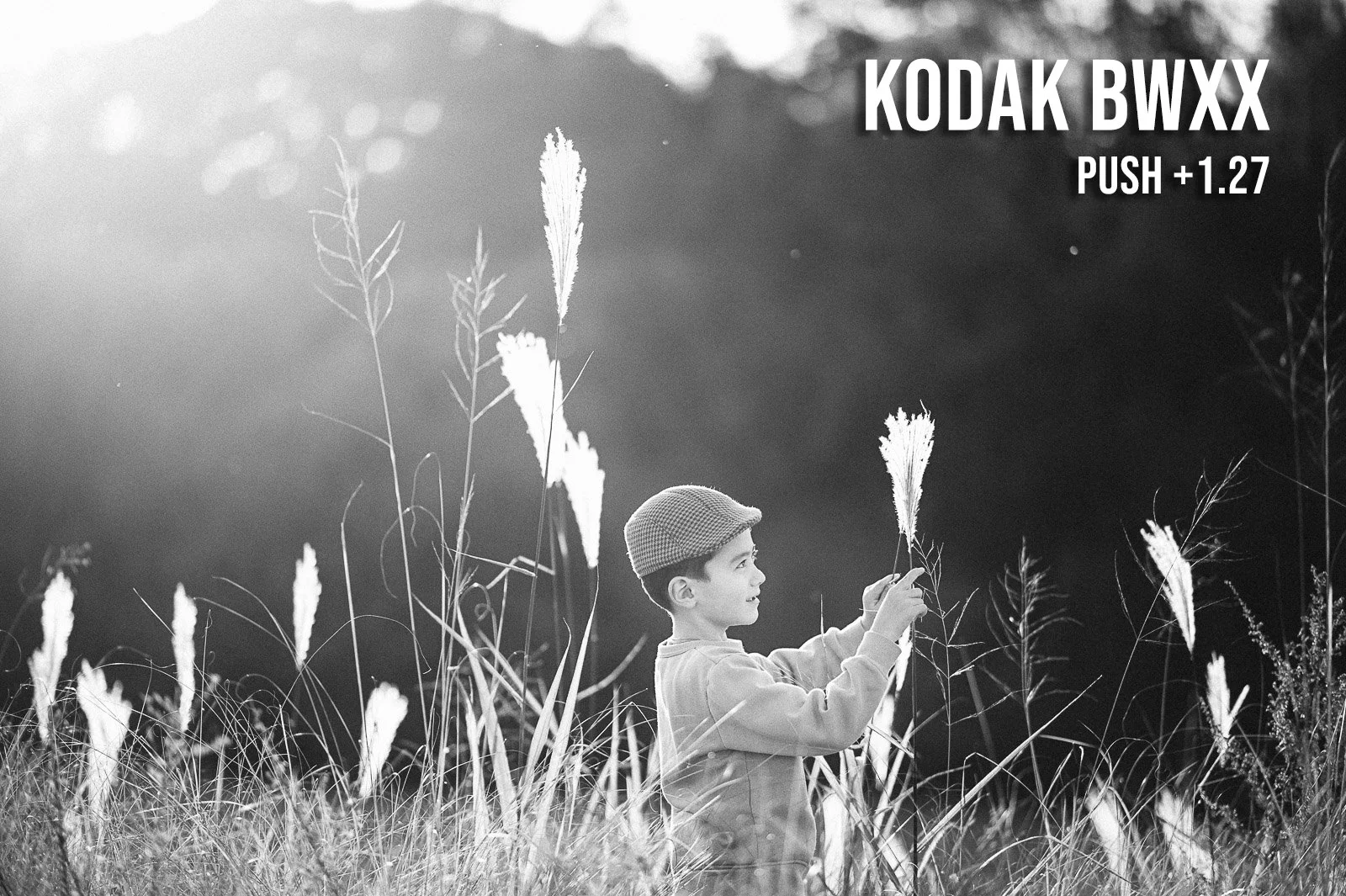
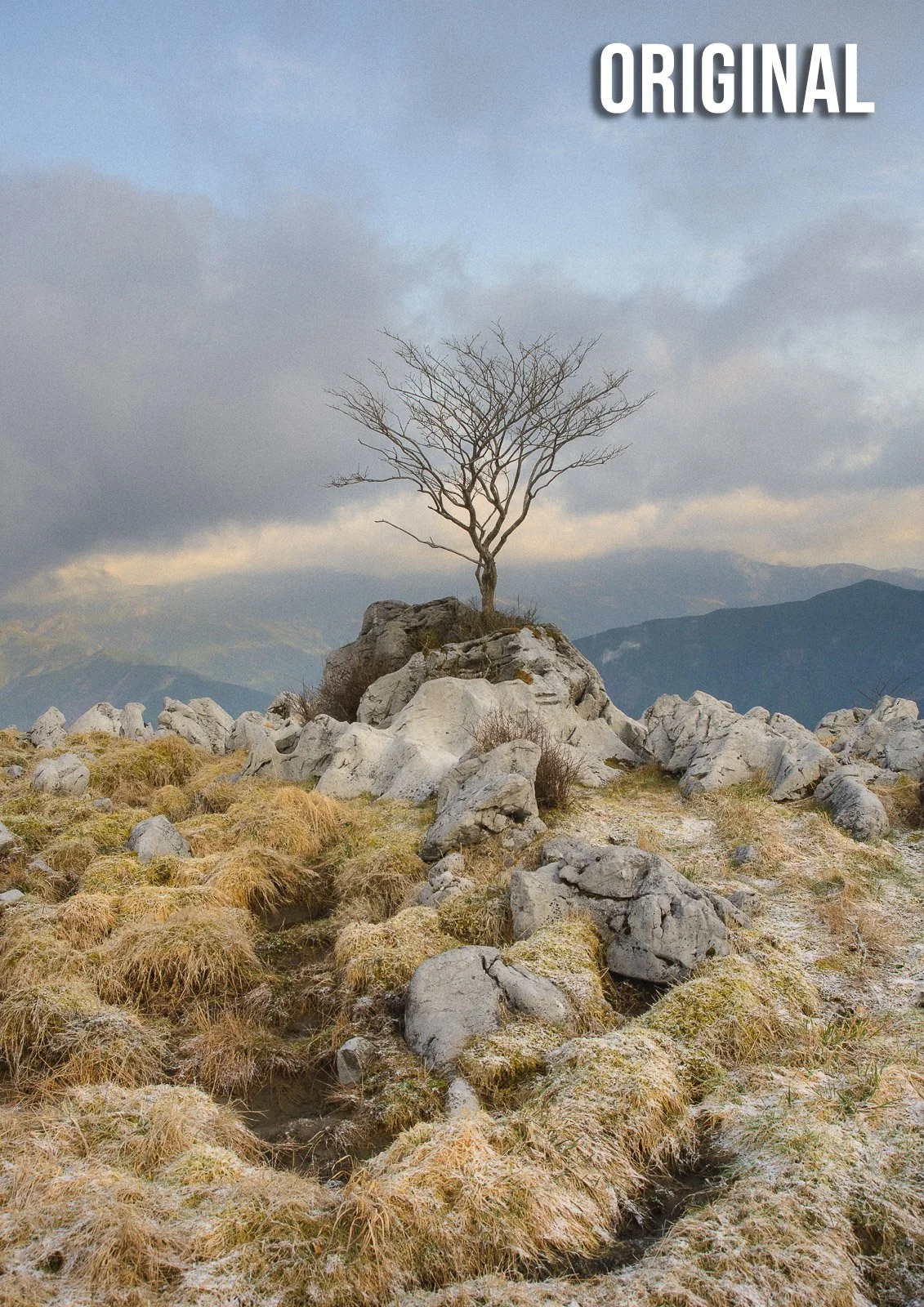
Nine stocks. Three development states each. One slider between them.
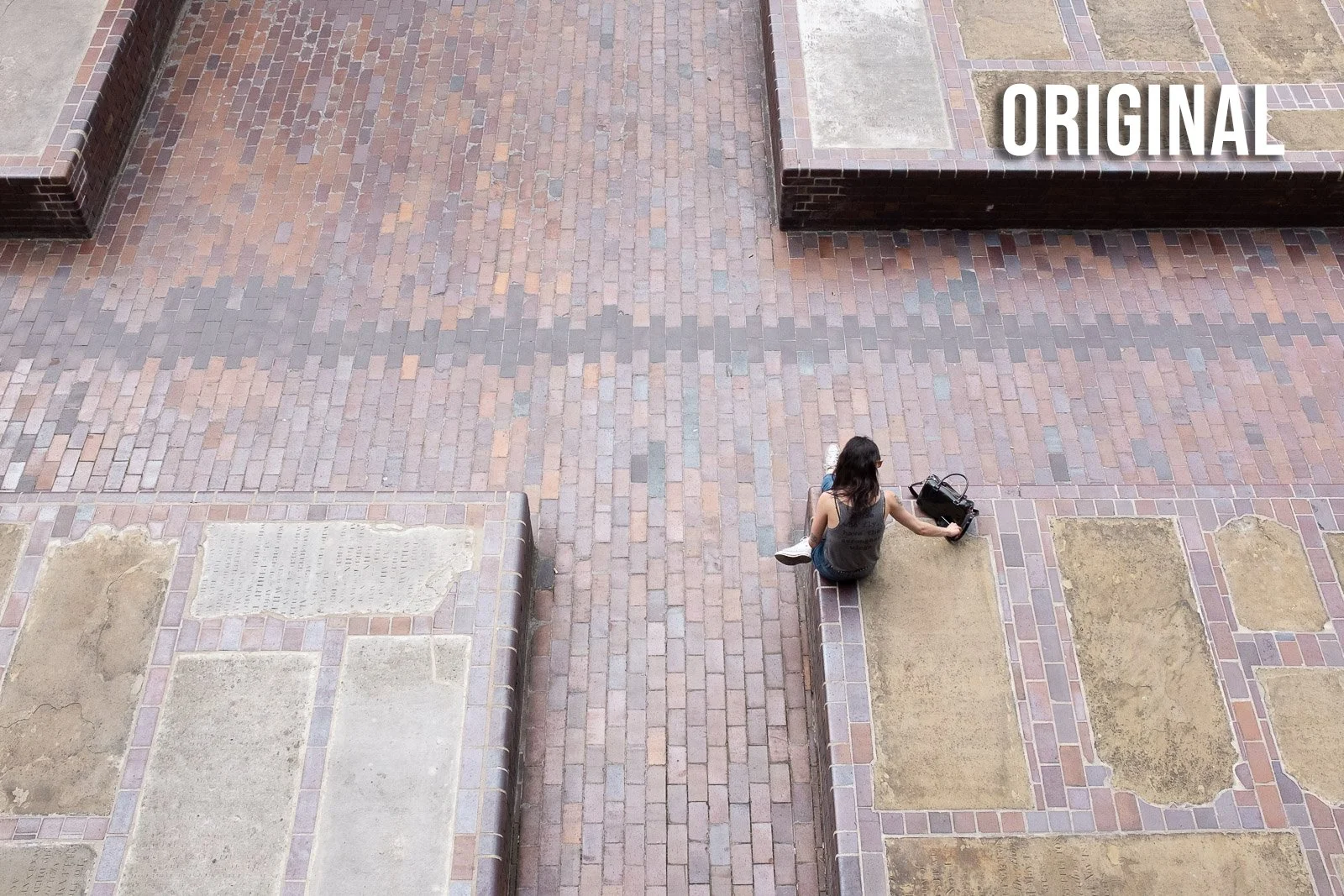
Below is a selection of before and afters across the full range — from Acros at -2 to Fomapan pushed hard. Pay attention to what happens to the grain as the development changes. That's the bit worth looking at.





If Reading Is Not Your Thing
Few minutes. All nine stocks. Both sliders. No unnecessary music.
Get The Thingamabob
Thingamabob Mono — $20
Nine black and white film stock emulations
Push/pull development slider (-2 to +2)
Exposure slider
Works with RAW and JPEG
One time purchase
Free updates
Works with Lightroom Classic (version 13 and up)
If you like black and white photography, this will probably become the first slider you touch.